Common Lamination Defects and How to Fix Them (Complete Guide)
Introduction
In flexible packaging and coating processes, lamination plays a critical role in determining final product quality. However, many manufacturers frequently encounter defects that lead to:
- Poor bonding strength
- Surface defects
- Increased waste and rework
- Production inefficiency
Most of these issues are closely related to lamination rollers, process parameters, and material compatibility.
In this guide, we explore the most common lamination defects, their causes, and practical solutions to help you improve quality and reduce costs.
What Is Lamination in Printing & Packaging?
Lamination is the process of bonding multiple layers of materials (film, foil, or paper) using adhesives, heat, and pressure.
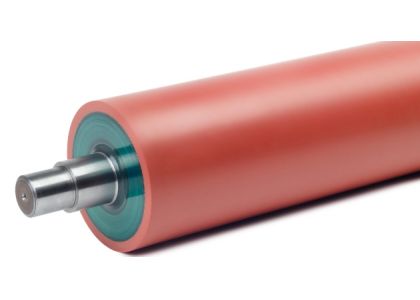
The lamination roller plays a key role by:
- Applying uniform pressure
- Ensuring even adhesive distribution
- Eliminating air gaps
A high-quality roller ensures stable lamination performance.
1. Air Bubbles in Lamination
Symptoms:
- Visible bubbles between layers
- Uneven surface appearance
Causes:
- Uneven roller pressure
- Low adhesive coating uniformity
- Trapped air during lamination
Solutions:
- Use high-precision rollers for uniform pressure distribution
- Adjust nip pressure properly
- Improve coating consistency
Key insight: Air bubbles are often caused by inconsistent roller pressure.
2. Poor Bonding Strength
Symptoms:
- Layers peel apart easily
- Weak adhesion
Causes:
- Insufficient pressure
- Incorrect roller hardness
- Incompatible adhesive
Solutions:
- Increase pressure evenly
- Select proper roller hardness
- Ensure correct adhesive formulation
Tip: A well-designed roller ensures stable bonding across the full width.
3. Uneven Coating
- Symptoms: Patchy adhesive distribution, inconsistent bonding
- Causes: Worn roller surface, misalignment, poor coating control
- Solutions: Replace rollers, align machine, use precision-coated rollers
4. Wrinkles and Web Distortion
- Symptoms: Wrinkled film, misaligned layers
- Causes: Uneven tension, poor pressure distribution, roller runout
- Solutions: Adjust tension, ensure concentricity, use precision rollers
Important: Roller accuracy directly affects web stability.
5. Adhesive Transfer Issues
- Symptoms: Too much or too little adhesive, unstable quality
- Causes: Wrong roller selection, contamination, improper settings
- Solutions: Optimize roller specs, clean regularly, adjust coating parameters
Key Factors Affecting Lamination Quality
- Roller Pressure: Must be uniform; extremes cause defects
- Roller Hardness: Affects pressure distribution
- Temperature Control: Critical for hot melt lamination
- Surface Quality: Smooth, wear-resistant rollers ensure stability
How High-Quality Lamination Rollers Solve These Problems
- Ensure uniform pressure
- Improve bonding strength
- Reduce air bubbles
- Maintain consistent coating
- Extend service life
Better roller = better lamination quality
- High-precision manufacturing
- Excellent pressure uniformity
- Wear-resistant materials
- Custom hardness & dimensions
- Compatible with various machines
Our rollers help you achieve:
- Stable production
- Better bonding performance
- Lower defect rates
Get Expert Support for Your Lamination Process
Facing lamination problems in your production?
Contact JCTPRINT today for professional support.
- Identify root causes of defects
- Recommend the right roller specifications
- Optimize your lamination process
Send us your:
- Application type
- Materials
- Machine details
Get a custom solution within 24 hours.


