
Call us toll free:
8619709992541 [email protected]
Jctprint Machinery Co., Ltd
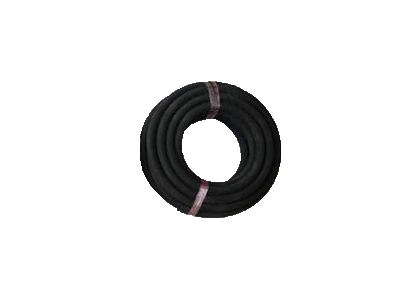
Air bladders are one of the most critical components inside an air shaft. They provide the inflation force that expands the lugs or leaves, allowing the shaft to firmly hold the core during winding and unwinding. When the bladder becomes worn, cracked, or leaks air, it directly affects machine stability, tension control, and production efficiency.
This guide explains how to inspect, maintain, and replace air bladders in your pneumatic air shaft—whether you use lug type, leaf type, or strip type air shafts.
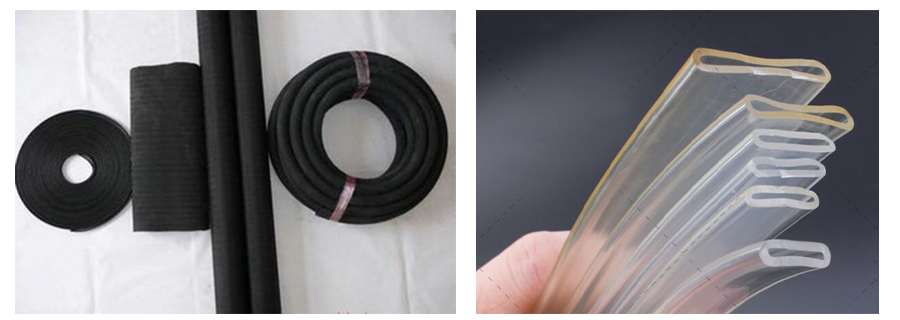
A healthy air bladder ensures:
Stable air pressure
Consistent expansion of lugs/leaves
Smooth winding & unwinding
Accurate tension control
Longer lifespan of the entire air shaft
When the bladder fails, you may see symptoms like:
The shaft does not expand fully
Air pressure drops quickly
Slow inflation
Leakage around the air valve
Unstable web tension
Remove the end cover and gently pull out the bladder (if externally accessible). Check for:
Cracks
Hardening or stiffness
Scratches
Surface bubbles or deformation
Old bladders often become brittle.
Inflate the bladder using your normal working pressure and observe for:
Air bubbles when sprayed with soapy water
Pressure drop within minutes
Uneven expansion
Any leakage indicates that replacement is needed.
Many “bladder problems” are actually valve problems. Inspect:
Valve core blockage
Loose valve
Wear around the valve seat
Replace or tighten the valve if necessary.
Technicians typically replace air bladders every 12–24 months, depending on:
Working pressure
Production frequency
Heat and humidity conditions
Replace immediately if the shaft shows:
Rapid air leakage
Expansion failure
Frequent reinflation required
Visible cracks in the bladder
The process may vary slightly by shaft type, but the general procedure is similar.
New air bladder
Allen keys / hex wrenches
Lubricant (non-corrosive)
Screwdrivers
Replacement valve (optional)
Release all air from the shaft
Unscrew end plate bolts
Slide the cover off carefully
Gently pull out the bladder
Take care not to damage internal components
Disconnect bladder from the air valve
Before installing the new bladder:
Remove dust and debris
Ensure the chamber is smooth
Apply a small amount of lubricant if needed
Connect bladder to the valve
Insert the bladder evenly
Ensure no twisting or folding
Poor installation may cause expansion issues later.
Tighten bolts evenly
Check alignment
Make sure no part of the bladder is pinched
Inflate to standard pressure
Check for leaks
Confirm full expansion of lugs or leaves
Avoid over-inflation
Keep the shaft clean and dry
Don’t store shafts under high temperatures
Check valve condition regularly
Use high-quality bladders that match the shaft design
JCTPRINT supplies precision-manufactured air shafts with:
Long-life, high-pressure air bladders
Full compatibility with printing, slitting, laminating, and converting equipment
Quick replacement parts
Global shipping and technical support
Reliable air bladders = fewer machine stoppages + improved productivity.
Checking and replacing air bladders is a simple but essential maintenance task that ensures your air shaft performs reliably. Regular inspection, timely replacement, and using high-quality components can significantly extend the life of your equipment and reduce downtime.


