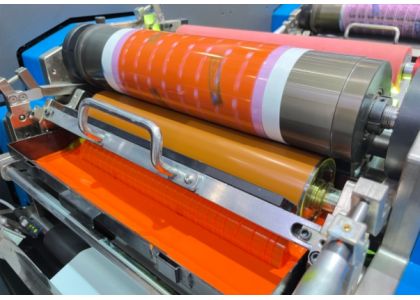
From the printing plate to the ink transfer system, each step directly affects the final print result. Below are five key steps in flexographic printing, explaining why each step is important and how JCTPRINT provides advantages in these critical areas.
1. Printing Plate Cylinder: Ensuring Accurate Image Transfer
The printing plate cylinder is responsible for holding the printing plate and transferring the image onto the substrate. Its precision directly affects registration accuracy, image clarity, and printing stability.
If the cylinder has poor concentricity or dimensional inaccuracies, it can cause issues such as:
Why It Matters
High-precision plate cylinders ensure that the printing plate remains stable at high speeds, maintaining sharp images and consistent print positioning.
JCTPRINT Advantage
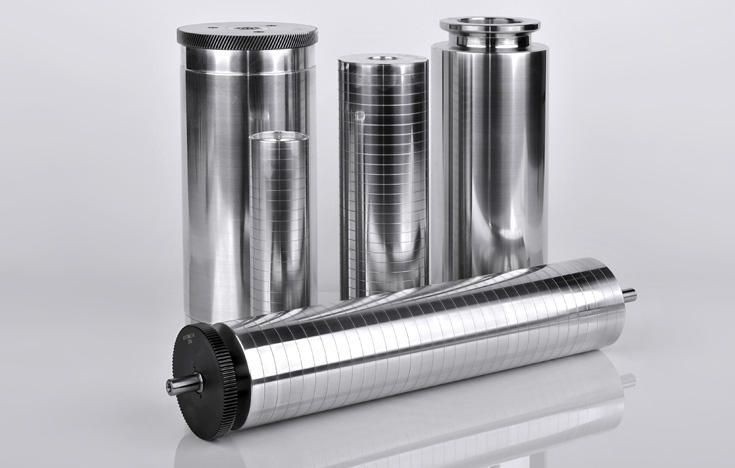
JCTPRINT manufactures high-precision flexo plate cylinders with strict control over:
-
Concentricity
-
Surface finishing
-
Dynamic balance
With over 20 years of manufacturing experience, JCTPRINT supplies plate cylinders compatible with a wide range of flexographic printing machines used worldwide.
2. Anilox Roller: Controlling Ink Transfer and Print Quality
The anilox roller is one of the most critical components in flexographic printing. It precisely meters and transfers ink from the ink chamber to the printing plate.
The cell structure, line count, and cell volume of the anilox roller determine:
-
Ink density
-
Color consistency
-
Ink consumption
-
Print detail
Why It Matters
An improperly selected or worn anilox roller can lead to:
-
Weak colors
-
Ink flooding
-
Dirty prints
-
Loss of fine details
JCTPRINT Advantage
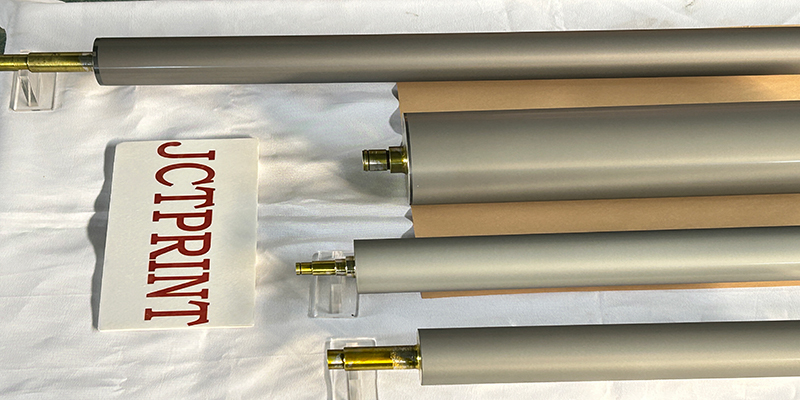
JCTPRINT produces high-quality ceramic anilox rollers using advanced equipment and technology, including:
-
Swiss Oerlikon Metco ceramic coating system
-
ALE laser engraving technology
-
AniCAM microscopic inspection system
These technologies ensure accurate cell geometry, stable ink transfer, and long service life, helping customers achieve consistent printing results.
3. Doctor Blade System: Maintaining Precise Ink Metering
The doctor blade system works together with the anilox roller to remove excess ink from the roller surface, leaving only the ink stored in the engraved cells.
Why It Matters
A properly functioning doctor blade system ensures:
Poor blade contact or uneven pressure can cause:
-
Ink streaking
-
Uneven printing
-
Excess ink transfer
JCTPRINT Advantage
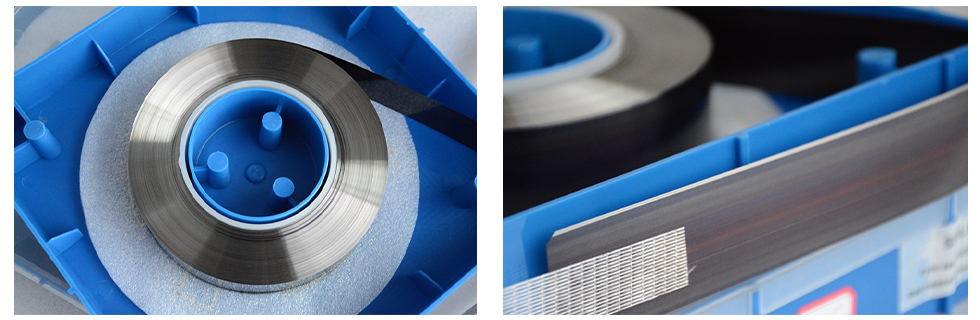
While the doctor blade is a consumable component, its performance depends heavily on the precision and surface quality of the anilox roller.
JCTPRINT’s high-smoothness ceramic surfaces and accurate engraving help ensure better doctor blade sealing and more efficient ink metering, reducing printing defects.
4. Ink Transfer and Ink System Stability
Flexographic printing relies on a stable ink system that includes the ink chamber, anilox roller, doctor blade, and ink circulation system.
Why It Matters
If the ink system is unstable, it can cause:
-
Color variation
-
Ink splashing
-
Ink drying issues
-
Print contamination
Stable ink transfer ensures that the right amount of ink is delivered consistently throughout the entire print run.
JCTPRINT Advantage
Thanks to precisely engraved anilox rollers with consistent cell volume, JCTPRINT products help stabilize the ink transfer process, enabling:
This is especially important for long production runs and high-speed printing machines.
5. Proper Roller Maintenance and Cleaning
Even the best printing components require regular maintenance. In flexographic printing, anilox rollers must be cleaned properly to prevent ink residue from blocking the cells.
Why It Matters
Blocked anilox cells reduce ink transfer efficiency and can cause:
-
Faded prints
-
Inconsistent color
-
Loss of printing detail
Routine cleaning and inspection ensure that the anilox roller continues to perform as designed.
JCTPRINT Advantage
JCTPRINT provides durable ceramic anilox rollers with high wear resistance, helping customers maintain stable performance over long production cycles.
Additionally, our team can provide guidance on:
This helps extend the service life of the rollers and maintain consistent print quality.
Conclusion
Flexographic printing quality depends on several interconnected components working together. The five key steps include:
-
Printing plate cylinder precision
-
Accurate anilox roller ink transfer
-
Stable doctor blade metering
-
Reliable ink system performance
-
Proper maintenance and cleaning
Among these, the anilox roller plays a central role in ink control and print consistency.
With 20 years of manufacturing experience, JCTPRINT provides high-quality ceramic anilox rollers, plate cylinders, and other printing rollers used in flexographic printing worldwide. Through advanced coating, engraving, and inspection technologies, JCTPRINT helps customers achieve stable printing performance, improved efficiency, and consistent print quality.
If you are looking for a reliable anilox roller manufacturer, JCTPRINT offers professional solutions tailored to various printing applications.