
Call us toll free:
8619709992541 [email protected]
Jctprint Machinery Co., Ltd
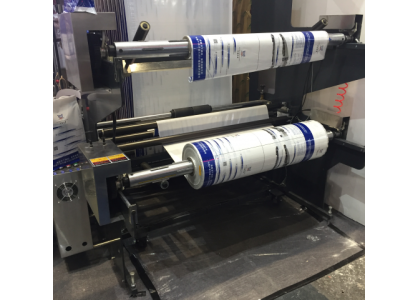
In printing, packaging, laminating, and converting lines, the air shaft plays a critical role in web handling. When an air shaft starts slipping, leaking air, or failing to grip the core properly, it can cause unstable tension, material waste, and unexpected downtime.
These issues are common—but they are not unavoidable. In this article, we break down the most frequent air shaft problems, explain why they happen, and share practical solutions to help you improve reliability and production efficiency.
The roll rotates independently from the shaft
Loss of web tension during acceleration or deceleration
Inconsistent winding or unwinding
Noise or vibration at higher speeds
Insufficient air pressure: The shaft is not inflated to the required working pressure
Worn or damaged lugs: Lugs lose their gripping ability after long-term use
Incorrect core size: Mismatch between shaft diameter and paper or film core
Low-friction core material: Some plastic or coated cores are harder to grip
Check and maintain the recommended air pressure
Replace worn lugs in time
Confirm core inner diameter tolerances before use
Consider customized lug designs for smooth or special core materials
Shaft needs frequent reinflation
Pressure drops during long production runs
Air hissing sound near valves or shaft body
Aging or damaged air bladder
Poor sealing at the air valve
Internal scratches or contamination
Low-quality bladder material
Inspect and replace bladders periodically
Use high-quality air valves and sealing components
Keep the shaft interior clean and dry
Choose air shafts with proven bladder materials designed for long service life
Core slips even with sufficient air pressure
Uneven expansion of lugs
Localized gripping instead of full contact
Uneven lug expansion
Core deformation or poor-quality cores
Improper lug layout for the application
Ensure uniform lug expansion across the shaft
Use stable, standardized cores
Match lug quantity and layout to roll width and load
For heavy rolls, consider reinforced or heavy-duty air shafts
Not all air shafts are designed for the same working conditions. Using an unsuitable shaft often leads to repeated problems.
Using light-duty air shafts for high-speed or heavy-load applications
Ignoring balance requirements for fast-running lines
Choosing standard designs instead of application-specific solutions
Define roll weight, speed, and material clearly
Select shafts designed for printing, laminating, or coating applications
Work with manufacturers who offer customization and technical support
Many air shaft problems can be prevented with simple daily and periodic maintenance.
Do not exceed the recommended air pressure
Release air when the shaft is not in use
Clean lugs and shaft surface regularly
Inspect bladders and valves during scheduled maintenance
Replace worn components before failure occurs
Air shaft slipping, air leakage, and poor grip are not just minor inconveniences—they directly affect production stability, print quality, and operating costs. Understanding the root causes of these issues helps you select the right air shaft, maintain it properly, and avoid unnecessary downtime.
A reliable air shaft is not just a component—it is a key factor in efficient web handling and consistent production performance.


